A flavour of the Belgian firm at the heart of the simulation — its origin, its products, its people and the strange governance that makes it interesting to run.
"Precision in motion."
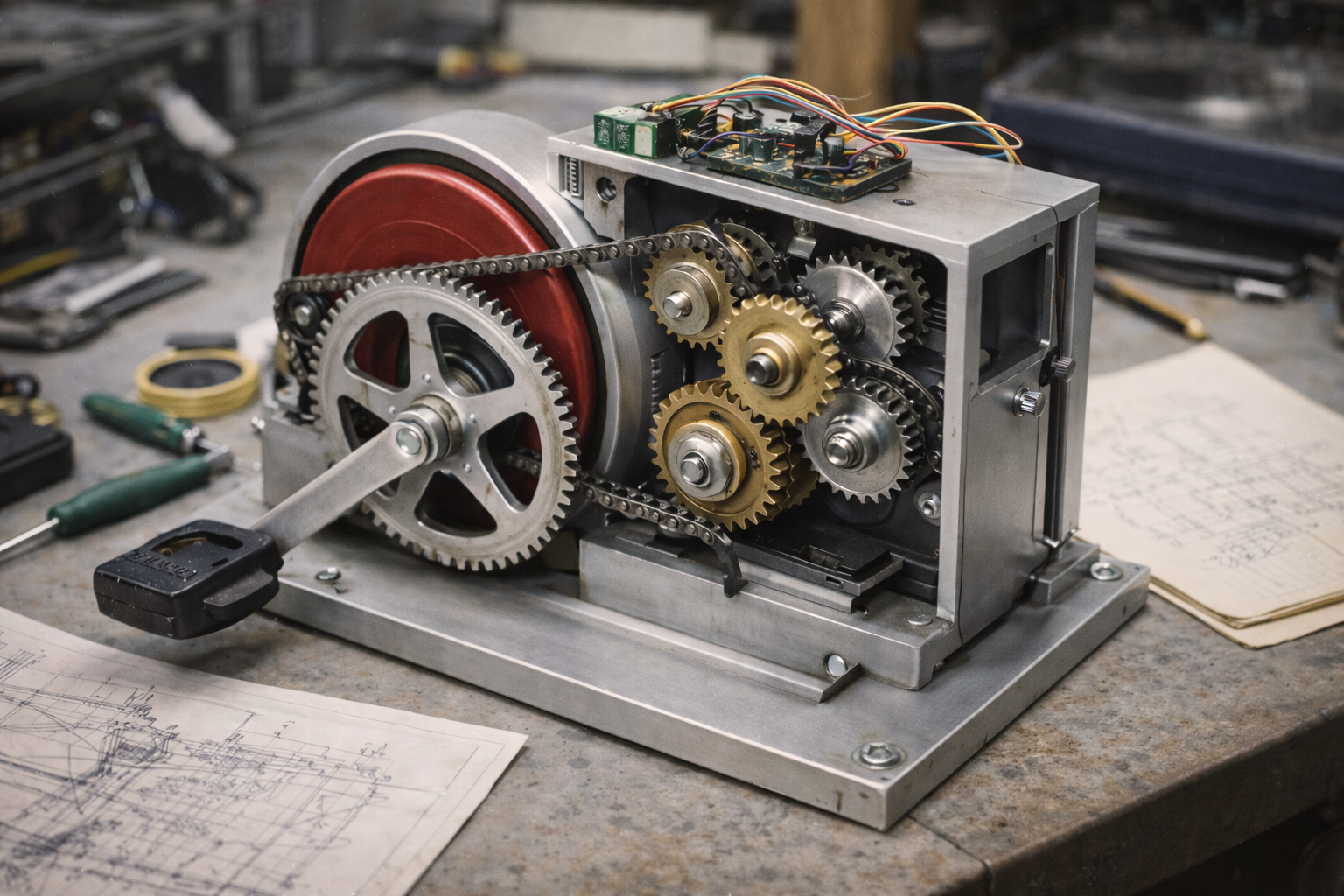
Vélox Dynamics began in a Vilvoorde garage in the mid-1980s. Liesbeth Van Marcke, a Belgian materials scientist recovering from a serious cycling accident, had grown frustrated with the clumsy rehabilitation equipment she was prescribed. She teamed up with a doctoral student, built a precision-engineered instrumented bicycle — and, to her surprise, the Belgian Olympic cycling team wanted one. The company was incorporated in 1987.
Forty years on, Vélox is a €420M business with 2,800 staff, a flagship campus at Cargovil in Vilvoorde, and a reputation for well-made equipment that respects the biomechanics of the human body. Heritage engineering is the emotional core of the brand. The challenge — and yours, as the new CIO — is to carry that heritage into a very different digital and platform-driven industry without losing the soul of the company on the way.
A portfolio stretched across heritage hardware, home fitness, wearables, and the digital platform. The equipment still pays most of the bills; the platform is the bet on the future.

The 1987 founding product — an instrumented biomechanical-feedback bike using aluminium-magnesium alloys. Built for professional cycling teams and physiotherapy clinics. Still the company's origin story.

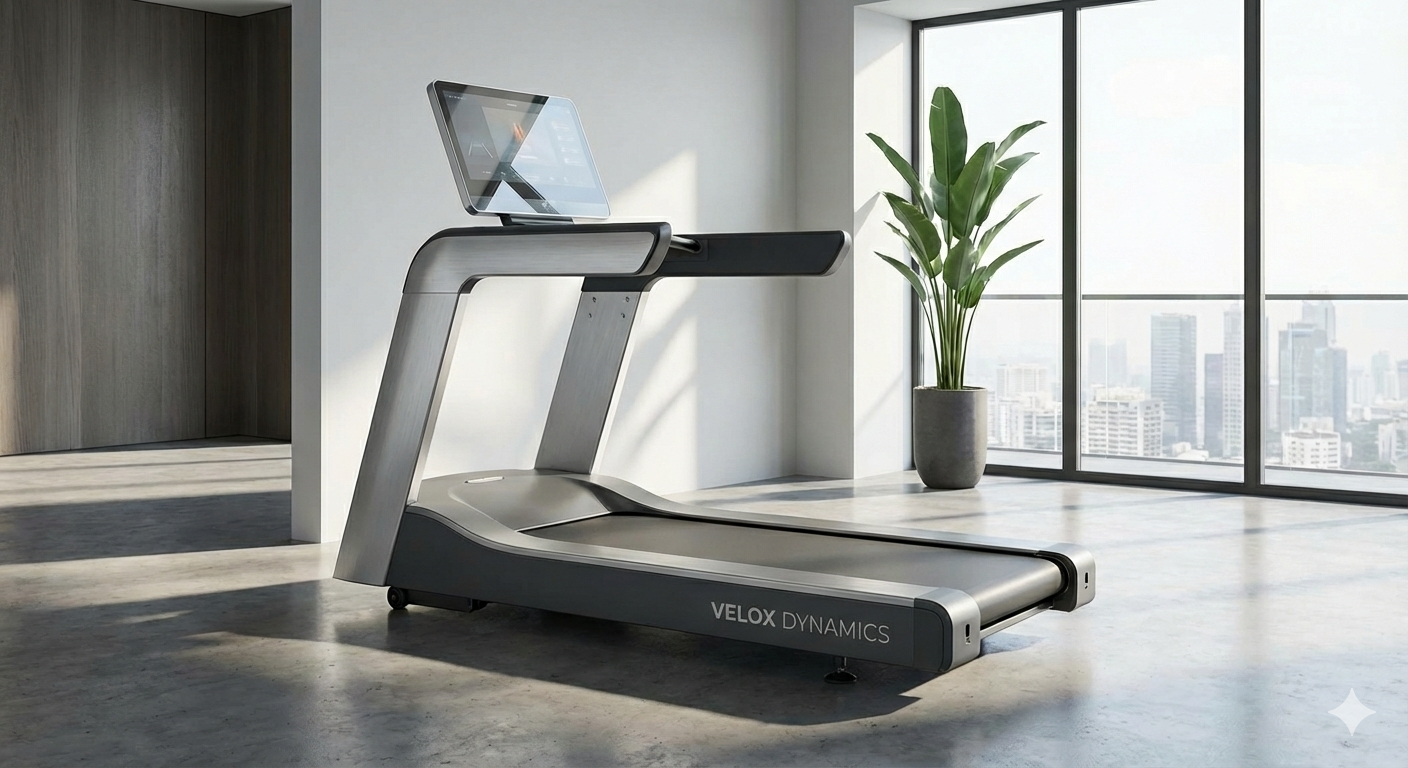
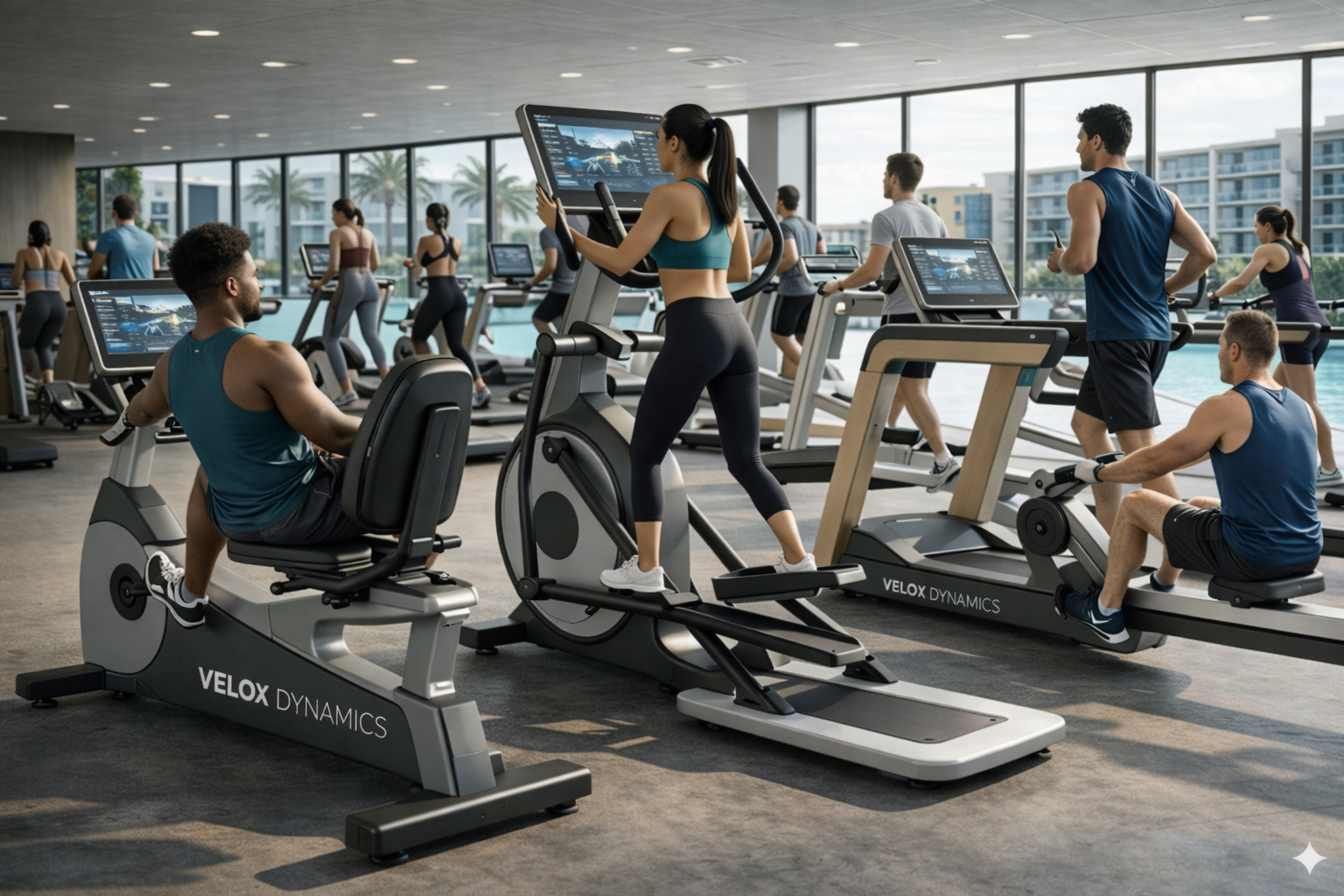
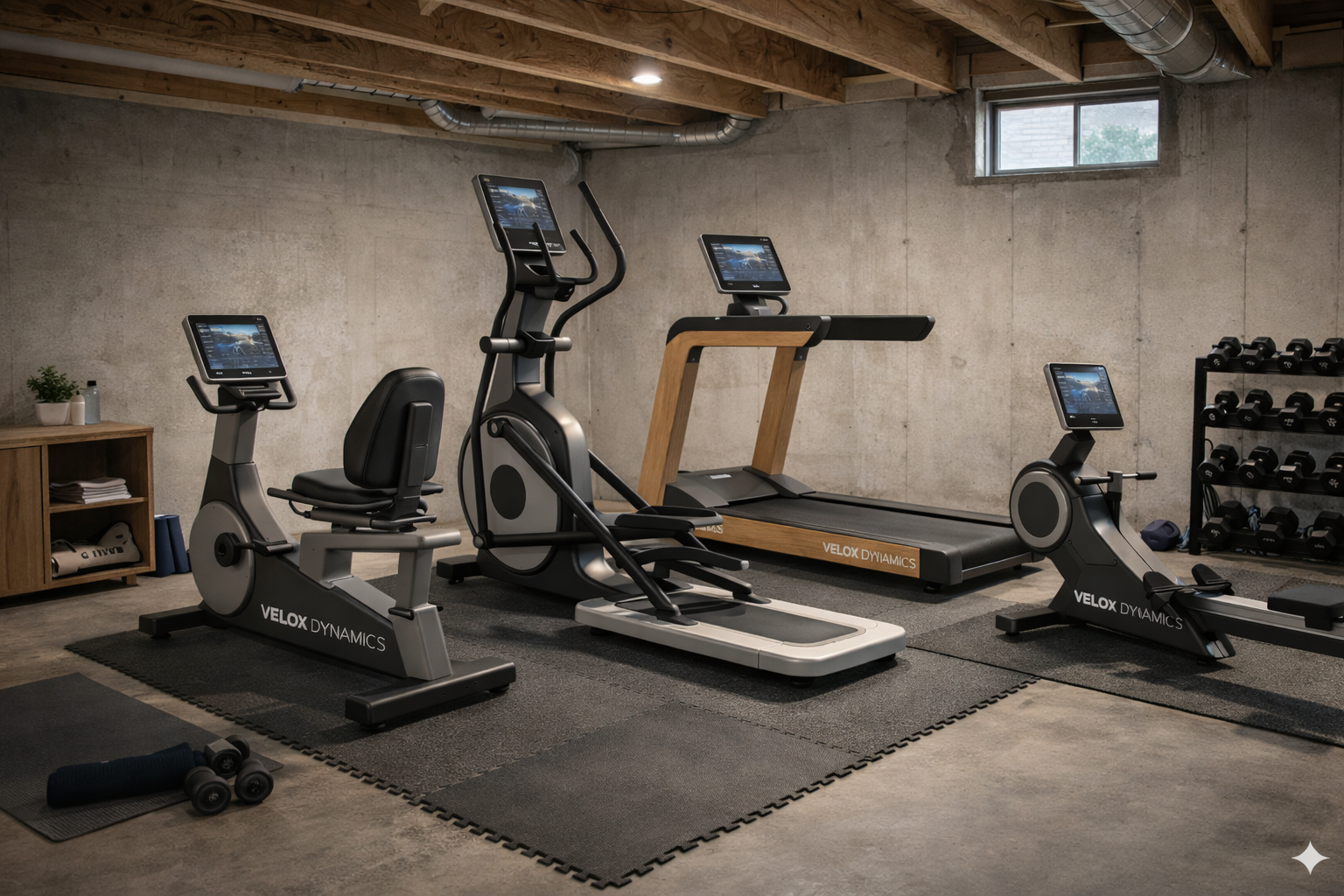
Cardio equipment for clinics, studios and premium gyms — the slow-burn bestseller of the catalogue.

Home gym line built around resistance-rod technology and a connected platform — picked up from bankruptcy in 2024 and reshaped into a premium B2B offer.

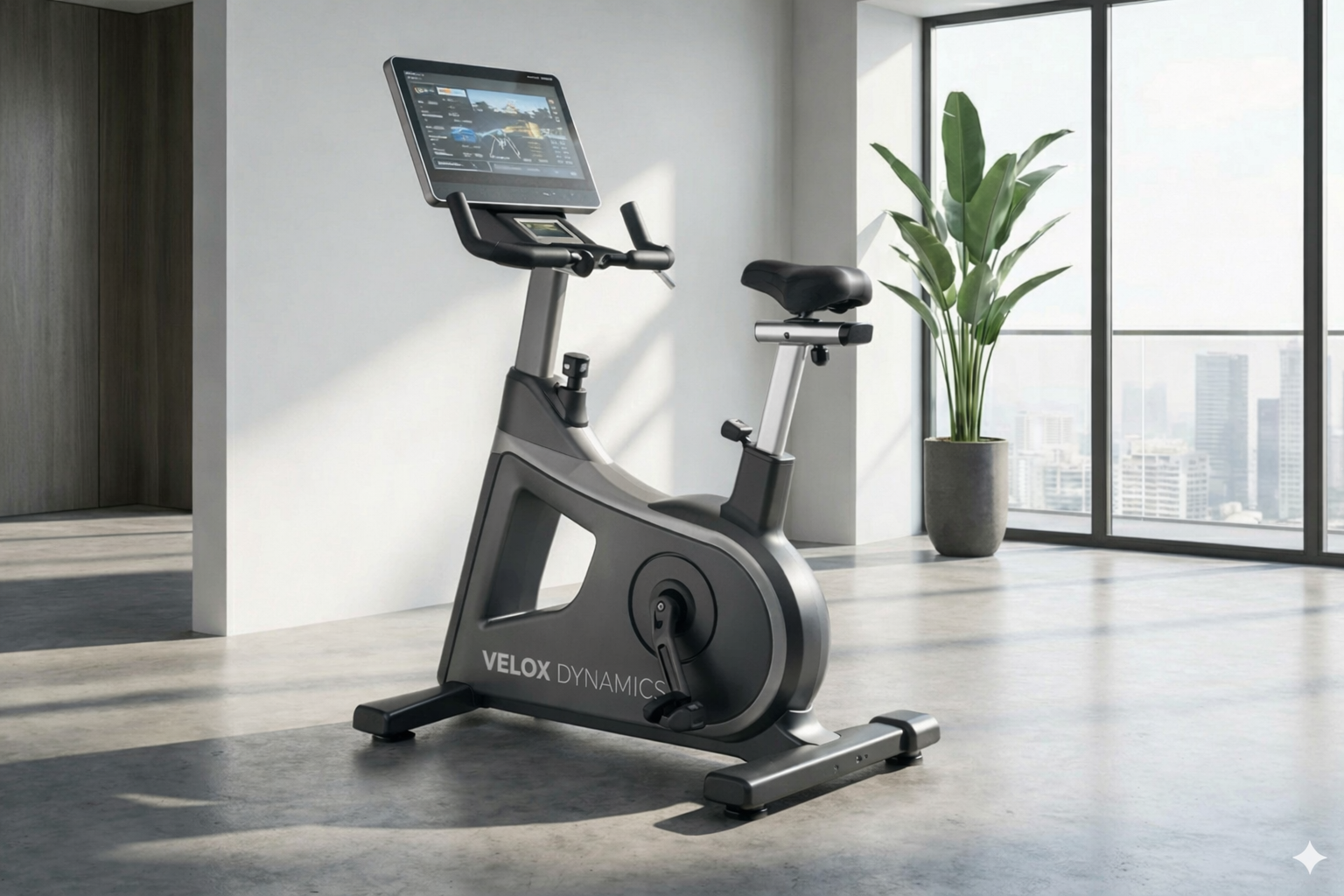
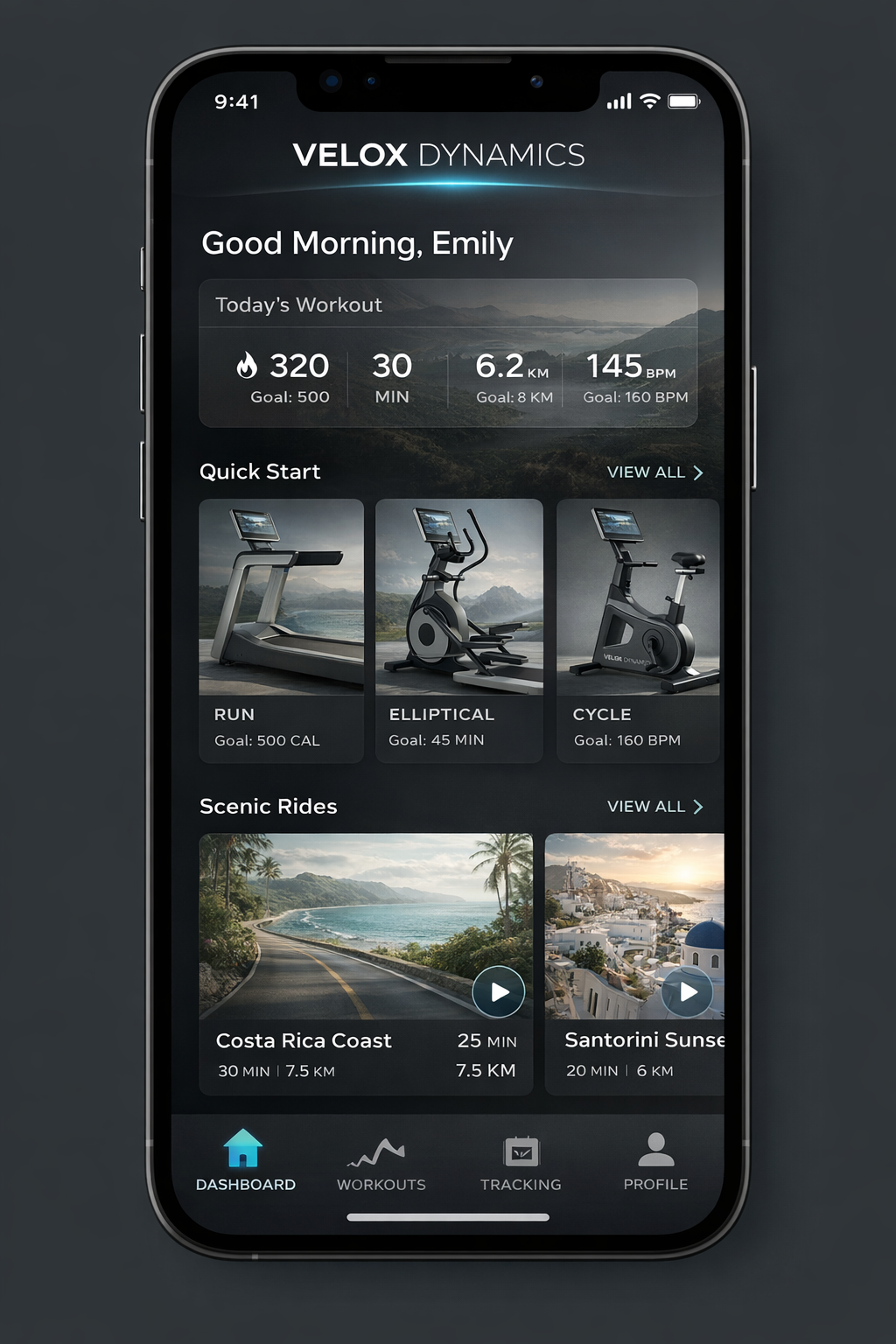
Pandemic-era home fitness line — smart bikes, rowers and strength stations with live and on-demand classes. Revenue share grew from 8% to 28% in two years.

The subscription platform and its consumer-facing service: AI coaching, training plans, community challenges, and a growing roster of third-party complementors.

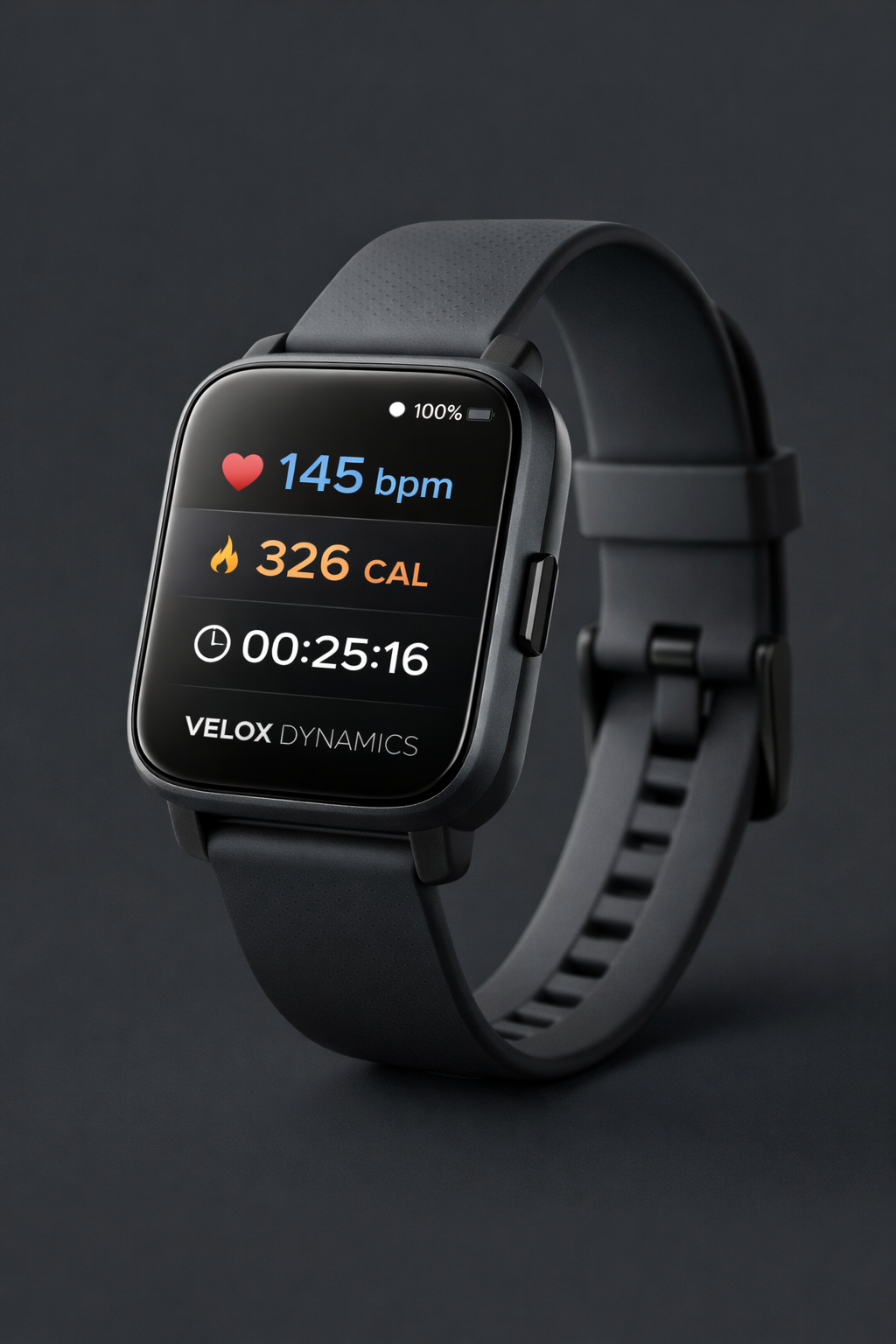
A newer line of wearables feeding biometric data into Vélox+ — the toe in the water of a very different business.
In 1991 Liesbeth transferred majority ownership to the Van Marcke Foundation for Health & Movement — a self-governing enterprise foundation whose mission is to fund research and programmes in health, rehabilitation and sustainability. A decade later, in 2001, Vélox listed on Euronext Brussels through a dual-class share structure: the Foundation holds the voting A-shares, the public holds the B-shares. The Foundation therefore retains durable control, while the company has access to public capital markets.
That arrangement — mission-driven steward on one side, public shareholders on the other — is the strategic knife-edge of the simulation. Every major decision in the game sits in the tension between the two.
A few details that don't change the strategy — but do change the feel of the firm.
Vélox is profitable, well-regarded and holds a respected position in European fitness equipment. The core hardware franchise still pays the bills.
The industry is shifting toward connected, subscription-based, AI-coached experiences. Vélox has a platform — but faster, better-capitalised rivals are circling.
The Foundation prizes long horizons and social impact. It will back a bold strategy — but will not tolerate drift.
Public shareholders and an outspoken board want growth and margin. Your annual appraisal is not sentimental.
The rest of the story — the Foundation's governance, the executive team, the competitive landscape, the product portfolio in full, and the CIO's specific remit — is in the in-game case study that the player reads on day one.